Oil climbs back above $100 as the Strait of Hormuz almost closes
Oil climbs back above $100 as the Strait of Hormuz almost closes
Oil rose on Wednesday, September 23, 2026, after five days of falls. A barrel, the unit used to sell crude, cost more than $100 again. The US benchmark (WTI) rose 1.63% and Brent, the European benchmark, rose 2.30%.
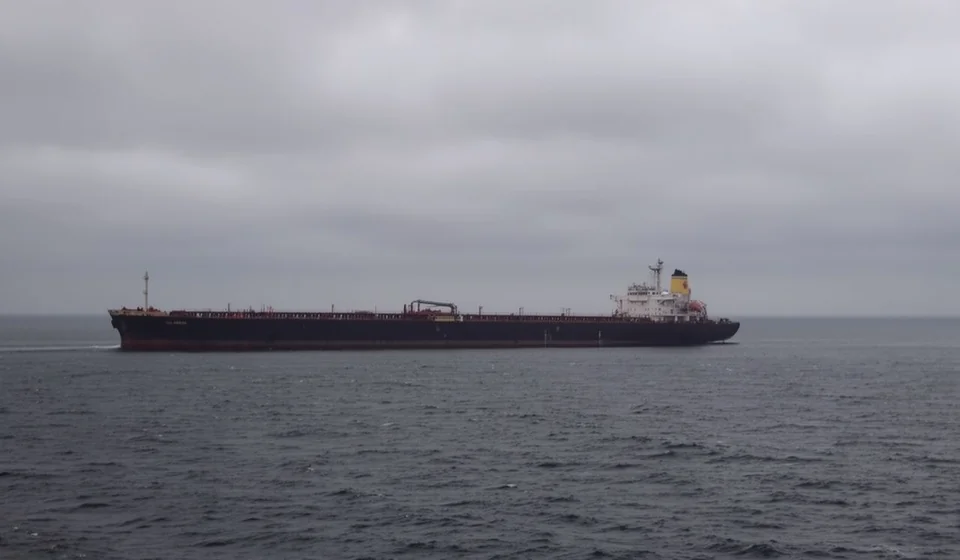
The cause is the Strait of Hormuz, the passage that carries much of the Gulf's oil. It is almost closed: in the last day only three cargo ships crossed, one of them a medium tanker, according to early Kpler tracking data cited by Reuters. The average over ten days was about 15 ships, so traffic is 80% below normal. That count leaves out ships that switch off their tracking systems to avoid being detected.
Four causes
- Fighting restarted this month.
- Tankers were attacked.
- The Houthis threaten the Red Sea.
- Saudi Arabia's east-west land pipeline closed for a while.
Diesel sets a record in the United States
In the United States diesel hit a record price: $6.5276 per gallon, a gallon being 3.785 liters. That is 77% more than a year ago. Refined fuel is scarce and the world lacks refineries, the plants that turn crude into fuel. Trump asked his team to study banning or limiting diesel exports; Treasury Secretary Scott Bessent said they are checking whether that is possible.
Asia buys more crude
Asia is the region that buys the most crude. In September it will import 23.96 million barrels per day, the highest level since February 2026, the month the war with Iran began. It is still 13% below before the war, according to the same Kpler data.
Trump, Xi and oil
When crude rises, gasoline, transport and food all cost more.
Sources: OilPrice (Estados Unidos), Reuters (Reino Unido), Folha de S.Paulo (Brasil), Estadão (Brasil) y El País (España). 23 de septiembre de 2026.