What is a consignment?
What is a consignment?
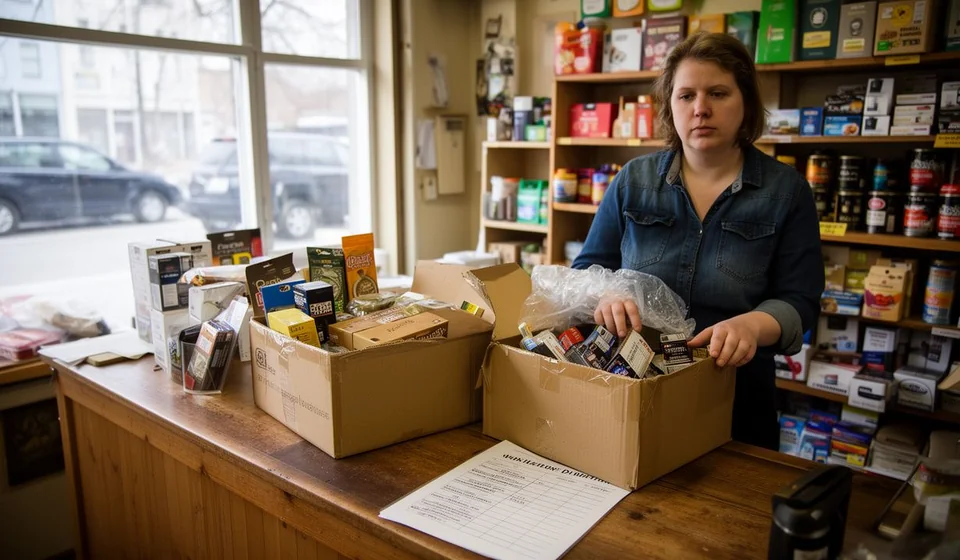
Imagine you run a small store and a supplier suggests: "I will leave my products on your shelves at no upfront cost; you only pay me when you sell them." In return, he trusts you to take care of his merchandise. That arrangement, far more common than it seems, has a name: consignment. A consignment is a commercial agreement in which a person or company, called the consignor, delivers merchandise to another party, called the consignee, to sell it to end customers. The consignee does not buy the products: they simply receive them, display them and sell them, paying the consignor the agreed value minus their commission or margin when a sale happens. What does not sell can be returned, exchanged for other items or kept for an additional period, as agreed. This model is common in clothing stores, pharmacies, stationery shops, hardware stores and in the sale of handmade or seasonal products. For it to work well, three things must be perfectly clear: who owns the merchandise, who is accountable for it and how every movement is recorded.The golden rule: you only pay for what sells
The feature that defines consignment is that the consignee pays only for the merchandise they manage to sell. If they receive 20 units of a product and sell 12, they settle 12; the remaining 8 can be returned to the consignor, swapped for other items or kept in the store to try selling later, as agreed. Ownership of the merchandise remains with the consignor while the products stay in the consignee's business: the risk that they will not sell is not borne by the party displaying them, but by the party that made or distributed them. That is why the products, quantities, prices, commission, time frames and what to do with returns should be agreed in writing: a verbal agreement works until a disagreement appears.Consignor and consignee: who is who
Every consignment operation involves two clearly defined parties:- Consignor: the owner of the merchandise. They can be a manufacturer, an importer, a wholesaler or even a small producer. They deliver their products without charging upfront and expect to be paid for what sells within the agreed time frames.
- Consignee: the party that receives the merchandise to sell it. This is usually a merchant, a shop or a store with a point of sale. They do not buy the products, but they commit to displaying them, taking care of them, selling them and reporting results.
How a consignment business works, step by step
To understand the full model, let us look at the typical journey of a consignment operation:- Agreeing on the terms: consignor and consignee settle the products, quantities, prices, commission, time frames and how payments will be made, ideally in writing.
- Delivering the merchandise: the products are handed over and both parties record the quantity, date and condition of each item on a delivery receipt.
- Displaying and selling: the consignee places the merchandise in their store and offers it to customers at the agreed price.
- Recording sales: every sale is logged immediately with product, quantity, price and date, so the exact amount owed is always known.
- Settling up: on the agreed date, the consignee pays the consignor the value of what was sold, minus the agreed commission or margin.
- Returns and adjustments: unsold merchandise is returned, exchanged for other products or given an extended deadline, as agreed.
Advantages of consignment for both parties
Why choose this model when you could simply buy and sell? Because consignment offers real benefits on both sides of the counter.- For the consignor: they place their products in more points of sale without investing in their own stores; their merchandise gains visibility with customers who did not know the brand; they keep ownership until it sells; and they receive valuable information about which items have real demand.
- For the consignee: they expand their assortment without spending capital or taking credit; they reduce the risk of being stuck with dead inventory; and they can test new products or brands without committing to buying them.
Consignment versus traditional sale: key differences
The essential difference lies in who owns the merchandise and who bears the risk that it will not sell. In a traditional sale, the buyer takes ownership on receiving the products, pays for them and assumes all the risk; in consignment, the business receiving the merchandise never buys it: it only manages and sells it on behalf of the owner.| Aspect | Traditional sale | Consignment |
|---|---|---|
| Ownership transfer | Immediate upon receiving the merchandise | Only when sold to the end customer |
| Payment for the merchandise | Cash or credit upon receipt | Only for what is sold |
| Risk that it will not sell | Borne by the buyer | Borne by the consignor |
| Return of unsold items | Not applicable in most cases | Yes, as agreed |
Inventory in consignment: the merchandise does not belong to the one holding it
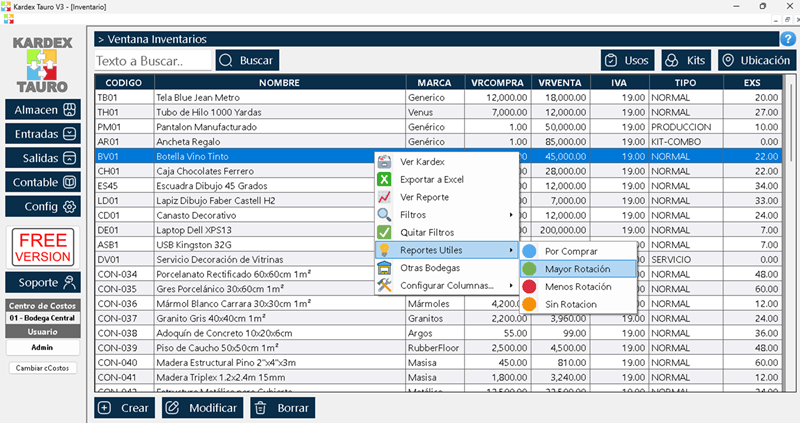
This point often confuses people, but it is the key to the agreement: merchandise received on consignment is not part of the consignee's own inventory. Even though it sits physically on their shelves, its owner is still the consignor, so it is wise to separate your own inventory from third-party inventory in the records: mixing them distorts the value of the business and inflates its assets. The distinction also defines responsibilities: the consignee is accountable for safeguarding the merchandise, and if it is damaged, lost or sold without being reported, they must replace it or pay for it. The consignor, who owns goods located outside their warehouse, needs to know at all times where their merchandise is and how much is owed to them.How to control inventory in consignment
Controlling consignment merchandise relies on three records, kept in an orderly way and with dates:- Delivery records: every time merchandise arrives from the consignor, the product, quantity, date, unit value and the signatures of the person delivering and receiving are noted.
- Sales records: every sale of consignment merchandise is logged immediately with product, quantity, price and date.
- Return records: when merchandise is returned to the consignor or exchanged for other products, that is documented too, so the balances add up.
A practical example with numbers
Suppose a small maker of handmade candles delivers three products to a gift shop on consignment for one month. This is the state of the agreement at settlement time:| Product | Delivered | Sold | Returned | Balance to sell |
|---|---|---|---|---|
| Scented candle, medium | 24 | 18 | 4 | 2 |
| Citronella candle | 12 | 9 | 3 | 0 |
| Room diffuser | 10 | 6 | 2 | 2 |