Oil tops $107 and pushes up the cost of debt worldwide
Oil tops $107 and pushes up the cost of debt worldwide
The price of oil rose sharply again on Thursday, September 10, and passed $107 a barrel in its European benchmark, Brent. That is the highest level since May. The U.S. benchmark, West Texas, climbed back above $101.
Why it is rising
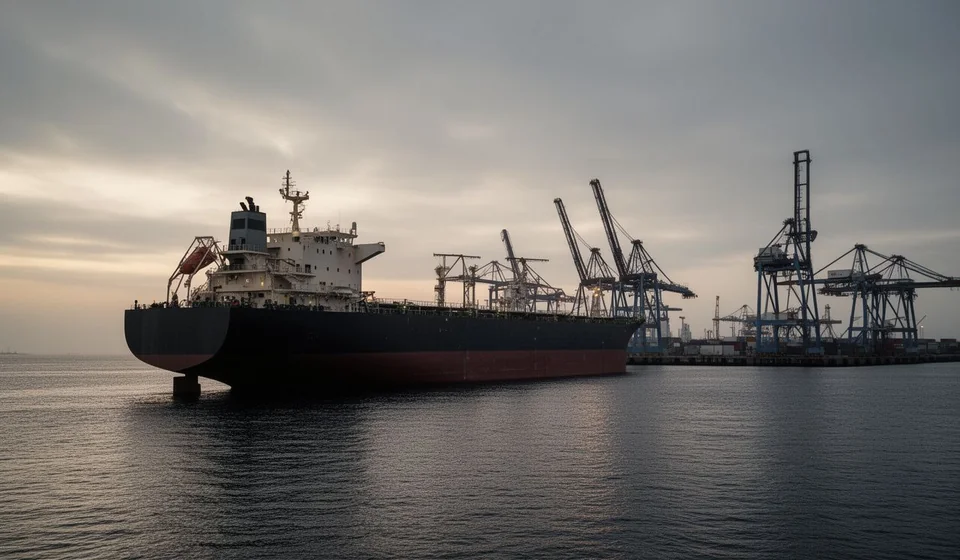
The main reason is the war in the Middle East. The Houthis, a group allied with Iran, took control of Yemen's port of Mocha. That puts shipping through the Red Sea at risk. At the same time, traffic through the Strait of Hormuz, where a large part of the world's oil leaves from, is still limited, and attacks on oil tankers have increased in recent days.
Supply adds to the problem: Saudi Arabia produced 6.2 million barrels a day in August, its lowest monthly figure of the year and 23% less than in July.
What it causes
When oil rises, the price of almost everything rises: gasoline, freight and the food that travels. That is why investors ask for higher interest to lend money to governments and companies.
In the United States, the interest on the 30-year bond reached 5.35%, the highest since 2007, and the 10-year bond went above 4.9%. Traders now put the odds of a rate increase by the Federal Reserve, the country's central bank, at about 70% next week.
What happens in Latin America
Oil has gained close to 40% since the war between the United States and Israel against Iran began. In Brazil, the dollar moved around 5.10 reais and the stock market fell. The Brazilian government has already spent about 37.5 billion reais on measures to keep gasoline from rising so much, according to the newspaper O Globo.
For a shop or a small business the signal is simple: moving goods and transporting products gets more expensive, and so does borrowed money.
Sources: Expansión and Gestión (Spain and Peru), Financial Times and Bloomberg (United States), Valor Econômico and O Globo (Brazil). September 10, 2026.