Payment agreement template for Word (free download)
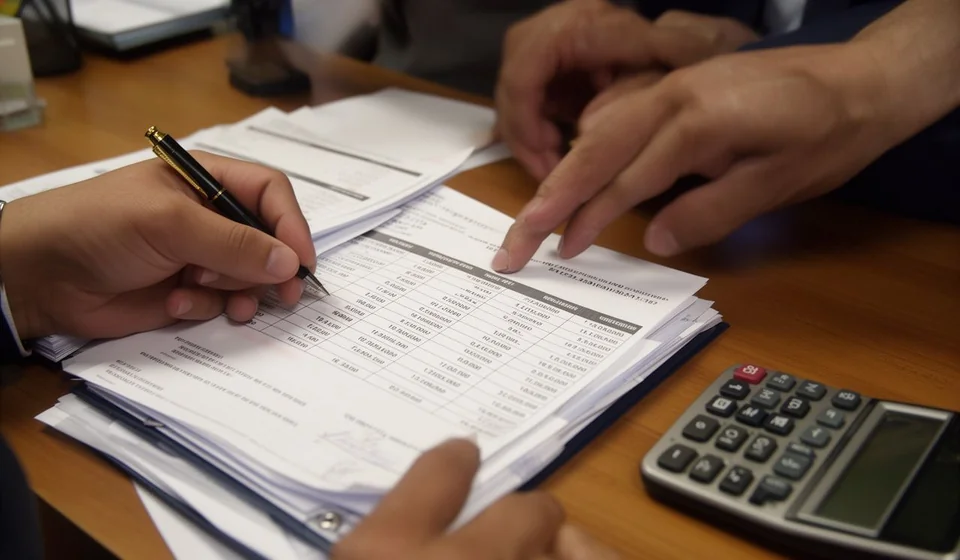
Payment agreement template for Word (free download)
A payment agreement is the document two parties use to put in writing how an overdue debt will be paid. It fits on one page: the parties identified, the outstanding balance with the invoices listed, the instalment schedule, the conditions that apply while the debtor complies, and three signatures —creditor, debtor and witness—. It is not an invoice and it is not a promissory note: it is the signed payment plan, the one that puts the receivables file in order and makes clear what each side is expected to do.
The problem shows up when that piece of paper does not exist. Someone promises to pay on Friday, someone else says part of it was already transferred, the salesperson remembers a deadline that is different from the one the credit department has, and in the end the balance depends on who happens to answer the phone. That disorder costs twice: the money takes longer to come in, and working hours are spent arguing about figures nobody wrote down. Months later, when someone has to explain why the account is still open, there is no record of what was agreed or who authorised it.
This template closes that gap. Download it, open it in Word, replace the fields in square brackets with the real data and it is ready to print and sign. It is meant for small business owners, accounts receivable staff, credit managers, accountants and administrators who negotiate payment with a customer or a supplier, and also for internal arrangements when one department ends up owing a stock shortage or a reimbursement.
⬇ Download payment agreement (.docx)What a payment agreement is
It is a private, short and formal document in which both parties acknowledge an outstanding obligation and settle how it will be honoured. Its strength is not in ceremony but in detail: how much is owed, since when, in how many instalments it will be paid, and what happens if an instalment does not arrive. That is why a payment agreement does not replace the invoice —which is the original charge— or the promissory note: it is the renegotiation, the bridge between what was owed under the original terms and what will actually be paid.
It is not meeting minutes either. Minutes record what several people discussed in a meeting and are signed by those attending; a payment agreement binds two parties with opposing interests, so it needs both signatures and, where possible, that of a witness who can attest to them. It also differs from a collection letter, which goes from creditor to debtor and carries a single signature: here the debtor signs too, because the debtor acknowledges the balance and accepts the schedule. That double signature is what turns a verbal promise into a verifiable commitment.
What it is for
- Putting the real balance in writing, with every invoice or document that makes it up and its date.
- Fixing instalments, dates and amounts, so the debtor knows exactly how much to pay and when.
- Bringing order to receivables: the finance desk stops chasing verbal promises and works from a signed schedule.
- Preventing each salesperson or advisor from negotiating different terms with the same customer.
- Providing a record when the agreement is honoured, and also when it is broken and a decision must be made.
- Documenting the case in the debtor's file, together with payment records and correspondence.
What the template includes
The file already carries the numbered sections and the tables ready to fill in. This is the real structure of the document:
| Section | What goes there |
|---|---|
| Letterhead | Company name, registration number, address, city and contact details. |
| Date and title | City and date of signature, and the centred title PAYMENT AGREEMENT. |
| 1. Parties | Creditor and debtor with their identification; for the debtor, also address and phone number. |
| 2. Outstanding balance | A paragraph acknowledging the debt and a table with invoice or document, date and amount, including a total row. |
| 3. Method of payment | Instalment table with instalment, payment date and amount, six rows plus a total row. |
| 4. Terms of the agreement | Three paragraphs: payment method, conditions while the agreement is being honoured, and the consequence of default. |
| Debtor's declaration | A paragraph in which the debtor states that the balance and the dates were reviewed and the agreement accepted. |
| 5. Signatures | Creditor, debtor and witness. |
| Copy line and notices | Copy line for the receivables desk and the debtor's file, plus the two closing notices. |
Note that section 1 asks for the details of both creditor and debtor. When the agreement is between companies, the identification is the registration each one trades under; when the debtor is an individual, it is their personal identification document. Getting that wrong, or leaving it blank, is one of the most common reasons an agreement stops being useful months later, exactly when it is needed.
How to use it step by step
- Replace the letterhead details: company name, registration number, address, city, phone, email and website. Any bracket left unfilled shows the document was signed without being checked.
- Write the city and the date of signature and keep the centred title as it stands.
- Reconcile the balance against your accounting records and the debtor's payment records before writing it down. If partial payments were already made, deduct them here: the agreement must deal with the balance that is genuinely outstanding.
- Fill the table in section 2 with each invoice or document, its date and its amount, and close with the total row. That total must match the figure written in the paragraph above.
- Agree the instalments with the debtor and write them into the table in section 3. Choose achievable dates: a comfortable schedule that is honoured is worth more than an ambitious one that breaks at the second instalment.
- Draft the three paragraphs of section 4. Before signing, decide the fields in brackets: the specific payment method (bank transfer, cash or cheque), what happens to interest already accrued while the debtor complies, and how many missed instalments allow the agreement to be terminated. That number is written here and is not improvised later.
- Read the document aloud with the debtor, point by point, before signing. Use the moment to confirm that each instalment date is understood and that there is a way to pay it.
- Have all three parties sign and hand a copy to the debtor. Keep the original in the debtor's file, together with the payment records and the correspondence.
An example of the instalment table
The table in section 3 is the one that gets reviewed most and the one that collects the most mistakes. This is how it looks with the fields still to be completed:
| Instalment | Payment date | Amount |
|---|---|---|
| Instalment 1 | [date of the first instalment] | [instalment amount] |
| Instalment 2 | [date of the second instalment] | [instalment amount] |
| Instalment 3 | [date of the third instalment] | [instalment amount] |
| Instalment 4 | [date of the fourth instalment] | [instalment amount] |
| Instalment 5 | [date of the fifth instalment] | [instalment amount] |
| Instalment 6 | [date of the sixth instalment] | [instalment amount] |
| Balance total | — | [sum of the instalments] |
The square brackets are not decoration: they are the gaps to be filled before printing. The amount in figures and the currency are written in the balance paragraph, and it is worth repeating the currency in every row when the business handles more than one. The instalments must add up to exactly the balance total; if they do not, the document loses credibility and the debtor gains an argument to dispute the next instalment. It is also worth fixing each payment date before signing instead of leaving it as to be confirmed.
What to check before signing
- That the balance matches your accounting records and the debtor's payment records.
- That no invoice already paid has been included, and no document belonging to another account of the same customer.
- That the instalment dates are realistic against the debtor's cash flow.
- That the default field is defined and clear: how many missed instalments allow the agreement to be terminated.
- That the payment method and the account are written without ambiguity.
- That whoever signs for the debtor is authorised to do so and that the identification matches the one in the header.
- That a signed copy stays with the debtor and the original is filed under its own sequence number.
When a system starts to make sense
The payment agreement settles the negotiation, but it does not handle the follow-up. Once the first instalment is paid, somebody has to remember the second one, confirm the money arrived, update the balance and raise a flag when an instalment falls behind. With ten open agreements that can live in a spreadsheet; with two hundred it becomes a full-time job and a quiet risk that something slips through. That is the point at which a system that holds the balance, the schedule and the payments in the same place as the receivables file starts to pay for itself. Kardex Tauro exists for exactly that step: bringing order to inventory and receivables with a record of every movement, so that the signed agreement is the starting point rather than the only control. If your operation still fits in a notebook and five folders, keep using the template; when it no longer fits, do not force it.
This template is a general guide, not legal advice
The template is an internal-use model: it is not drafted for your specific case and it does not constitute legal advice. The terms of a payment agreement change with the type of debt, the relationship between the parties and the rules of the country where it is signed. Before signing, review it with your company's advisor and adapt it to your operation and your country; if the debt is large or the debtor has already broken other commitments, ask for that review first.
⬇ Download payment agreement (.docx)